Underground Pumped Hydro: Turning Old Mines into 24/7 Energy Storage
What if closed mines could quietly store clean energy for hours or days? Dive into underground pumped hydro—how it works, why it’s gaining traction, and what it takes to convert shafts into grid-scale batteries.
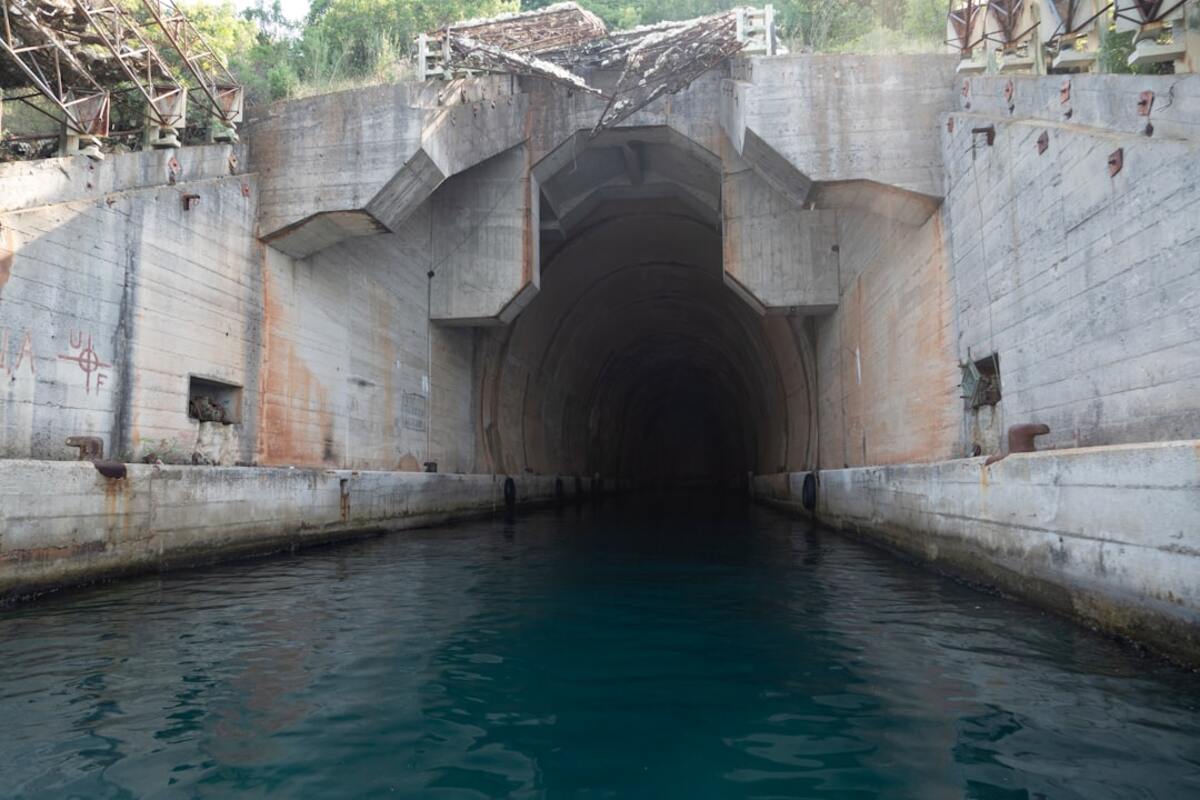
- Underground pumped hydro repurposes mine shafts to store renewable electricity as gravitational energy.
- It offers multi-hour to multi-day storage with long lifespans, low visual impact, and quick response times.
- Key challenges include geology, water management, sealing, and up-front capital planning.
Every electric grid needs two things to thrive with lots of wind and solar: flexibility and storage. While lithium-ion batteries handle fast, short bursts, the world also needs affordable storage that can run for many hours without sprawling across landscapes or relying on scarce materials. One quietly powerful idea is back in the spotlight: underground pumped hydro storage built into old mines.
At its core, pumped hydro is simple. When electricity is abundant, pumps move water uphill. When electricity is scarce, that water runs back down through turbines to generate power. With underground pumped hydro in mines, the “hills” become vertical distances between two subsurface reservoirs connected by shafts and tunnels. That swaps mountain lakes for engineered rock caverns, opening a path to long-duration storage close to cities and factories—often where old mines already connect to the grid.
How underground pumped hydro works
Think of a disused mine as a giant, ready-made vertical battery. The mine’s elevation differences do the heavy lifting. Engineers reinforce selected chambers into reservoirs, install penstocks (pressure-rated pipes), add reversible pump-turbines, and hook everything to the grid. When excess solar or wind pours in, the system pumps water from a lower reservoir up to an upper one. Later, grid operators release water downward through the same machines, generating electricity on demand.
- Survey and design: Map shafts, drifts, and caverns; test rock strength; model water pathways; choose elevations for upper and lower reservoirs.
- Seal and line: Install liners and grouting to prevent leaks, stabilize rock, and manage groundwater interaction.
- Powertrain: Fit reversible pump-turbines and motor-generators, plus surge control systems and valves.
- Balance of plant: Add switchgear, transformers, inverters (if needed), controls, and safety systems, tying into existing grid interconnections where possible.
- Operations: Pump when electricity is cheap or clean; generate when demand spikes—coordinated by market signals or a utility dispatch center.
The physics are elegant: the potential energy stored, in joules, is mass × gravity × height. In practice, that translates to a tunable storage recipe: more height (head), more water volume, or both. Mines often provide hundreds of meters of head without new dams or tall structures. With reversible pump-turbines, the same hydraulic pathway both stores and releases energy, minimizing equipment count and maintenance complexity.
Disused mines come in many forms: vertical shafts with lateral galleries, room-and-pillar layouts, or multi-level networks descending deep underground. The flexibility to place reservoirs in specific levels allows engineers to trade off head, water volume, and construction cost. In some designs, the upper reservoir sits below ground in a reinforced cavern; in others, it may be at or near the surface, using a covered tank to reduce evaporation and visual impact.
| Metric | Underground Pumped Hydro | Traditional Surface Pumped Hydro | Lithium-Ion Battery (Grid-Scale) |
|---|---|---|---|
| Typical duration | 4–24+ hours | 6–20+ hours | 1–4 hours (extendable with more packs) |
| Round-trip efficiency | ~70–85% | ~75–85% | ~88–94% |
| Cycle life | 30–80 years (mechanical systems) | 40–100+ years | ~3,000–10,000 cycles (chemistry-dependent) |
| Response time | Seconds to minutes | Seconds to minutes | Milliseconds to seconds |
| Energy cost basis | Low energy cost once site is built; high upfront civil works | Low energy cost; large surface works | Moderate to high $/kWh; modular and fast to deploy |
| Land and visual footprint | Minimal (mostly underground) | Visible reservoirs and dams | Compact sites but visible containers and yards |
While lithium-ion shines for quick balancing and frequency regulation, underground pumped hydro excels at hours-to-days of steady output, with long service lives and low visual impact. It’s not a replacement for batteries but a complement—together they cover fast, short bursts and long, deep drains to keep the grid resilient.

Why mines make sense
Reusing mines flips a challenge—what to do with vast underground voids—into an opportunity that strengthens the grid. Several advantages stack up:
- Existing vertical head: Deep shafts provide the height difference needed for high-efficiency turbines without new mountainside dams.
- Proximity to load: Many mines are near industrial corridors or towns, reducing transmission buildout and losses.
- Smaller surface impact: No large lakes, fewer viewshed conflicts, minimal wildlife disruption, and lower evaporation.
- Long lifetimes: Mechanical equipment can be refurbished for decades, spreading costs across many years of service.
- Workforce and infrastructure: Established access roads, grid connections, and local experience with the site can shorten schedules.
Of course, nature is not a blank slate. Underground pumped hydro demands rigorous geotechnical due diligence. Rock joints, fractures, and the mine’s existing supports must be assessed for stability under cyclic water pressure. Reservoir caverns need liners and careful grouting to control seepage. In some sites, groundwater chemistry or legacy pollutants (like acid mine drainage) require treatment systems and monitoring wells to protect aquifers and downstream ecosystems.
Water availability must also be modeled with climate realities in mind. These systems are not large consumers once filled—the water circulates between reservoirs—but top-ups can be necessary over time due to maintenance, minor seepage, or evaporation if any surface tank exists. In arid regions, closed-loop designs and covered reservoirs reduce losses.
Community engagement is essential. Repurposing a mine can create steady, skilled jobs in places that saw work vanish when extraction ended. It can also address legacy safety concerns by stabilizing and maintaining old workings under an active program. Clear dialogues about blasting (if any), noise during construction, groundwater protection, and traffic plans help earn trust and speed permitting.
You may already have seen related projects make headlines: repurposed open-pit mines turned into pumped hydro reservoirs, and feasibility studies exploring deep-shaft options in former coal and metal mines. The underground variant follows the same physics with a different canvas—one that keeps most of the infrastructure out of sight.
From vision to switch-on: costs, engineering, and safety
Turning a mine into storage is part civil engineering, part electro-mechanical design, and part environmental stewardship. The business case typically rests on stacking multiple revenue streams: energy arbitrage (buy low, sell high), capacity payments, ancillary services (frequency regulation, spinning reserve), and transmission deferral where the plant reduces congestion.
Capital profile: Most costs land in excavation/rehabilitation, lining, penstocks, and powerhouse equipment. Unlike batteries, where energy capacity scales roughly linearly with container count, pumped hydro splits into “power” and “energy” components. Power (MW) hinges on turbine-generator size; energy (MWh) depends on reservoir volume and head. That means once you’ve built the civil shell, adding more energy capacity is often cheaper per kWh than adding more power rating. This is why pumped hydro shines for long durations.
Performance: Round-trip efficiency generally lies between 70–85%, depending on head, turbine type, and hydraulic losses. Response time is fast enough to support grid balancing and ramping needs, and advanced controls allow smooth participation in ancillary markets. Modern variable-speed pump-turbines further improve flexibility and efficiency across changing heads.
Safety and environmental care: The primary risks are geotechnical and hydrological. Engineers model pressure cycles, water hammer, and transient loads to size surge tanks and valves. Lined caverns and penstocks limit leak paths; monitoring systems track vibration, pressure, and flow for early warnings. Where historical pollutants exist, water treatment and isolation measures prevent mobilization. During construction, dust, noise, and traffic are mitigated with standard best practices and scheduling.
Digital twins and automation: Today’s designs lean on high-fidelity geotechnical models and real-time SCADA systems. Digital twins simulate load profiles and pump/generate cycles to maximize market value and reduce wear. Condition-based maintenance, supported by vibration sensing and thermal cameras, helps extend equipment life and reduce downtime.
Use cases that fit well:
- Firming renewables: Store midday solar for evening peaks or bank windy-night power for morning ramps.
- Industrial resilience: Serve smelters, data centers, and chemical plants that need multi-hour ride-through without risking product quality.
- Transmission support: Act as a shock absorber at grid pinch points, lowering congestion charges and deferring new lines.
- Community benefits: Stabilize energy costs locally and create long-lived operations roles in formerly extractive regions.
What makes a site promising? Developers typically screen for a few criteria: sufficient head (often 200–800+ meters), mine geometry that allows two robust reservoirs, competent rock for lining and anchoring, manageable groundwater chemistry, nearby high-voltage interconnection, and a market that rewards long-duration storage. If those stars align, a project can move from concept to commissioning in a few years, particularly where local authorities have clear permitting pathways for repurposing legacy infrastructure.
After initial filling, these systems mostly recirculate the same water between reservoirs. Designers add covers and liners to cut evaporation and seepage. Periodic top-ups can come from captured rain, treated mine water, or municipal sources, sized to local hydrology and permits.
After initial filling, these systems mostly recirculate the same water between reservoirs. Designers add covers and liners to cut evaporation and seepage. Periodic top-ups can come from captured rain, treated mine water, or municipal sources, sized to local hydrology and permits.
Underground projects often have smaller visual footprints and may face fewer land-use conflicts. They can tap existing shafts and grid links, but they demand meticulous underground works and sealing. Surface systems can be larger but require more expansive civil structures and environmental approvals.
Underground projects often have smaller visual footprints and may face fewer land-use conflicts. They can tap existing shafts and grid links, but they demand meticulous underground works and sealing. Surface systems can be larger but require more expansive civil structures and environmental approvals.
Geotechnical teams model regional seismicity and mine-specific conditions. Caverns are reinforced, penstocks are anchored with allowances for movement, and surge protection handles pressure transients. Continuous monitoring detects anomalies early so operators can adjust loading or conduct targeted inspections.
Geotechnical teams model regional seismicity and mine-specific conditions. Caverns are reinforced, penstocks are anchored with allowances for movement, and surge protection handles pressure transients. Continuous monitoring detects anomalies early so operators can adjust loading or conduct targeted inspections.
Most equipment sits underground, which naturally dampens sound. Surface structures are enclosed and designed with acoustic treatments. During construction, noise and traffic are scheduled and mitigated in consultation with local communities.
Most equipment sits underground, which naturally dampens sound. Surface structures are enclosed and designed with acoustic treatments. During construction, noise and traffic are scheduled and mitigated in consultation with local communities.
Policy trends are reinforcing the opportunity. Markets are rolling out products that pay for capacity and for flexibility rather than only for energy delivered. That means storage that can run long and respond fast earns multiple revenue streams. Clean energy standards and reliability rules increasingly recognize long-duration storage as a pillar of decarbonization, which can improve offtake certainty and financing.
Technology learning curves are smoothing the path too. Modern reversible units reach high efficiency across wide operating ranges. Penstock manufacturing and rock-lining techniques have matured. Digital planning shortens early-stage risk identification, while modular electromechanical skids simplify installation in tight underground spaces. As these pieces combine, timelines can compress and cost certainty improves—critical for investors and utilities alike.
For communities living with the legacy of extraction, underground pumped hydro offers a second life for old assets: safer, cleaner, and economically productive. Instead of pits and shafts sitting idle or requiring expensive remediation, they become anchors of a smarter grid. In regions with strong solar midday peaks or wind-rich nights, the mine-turned-battery can smooth daily cycles, soak up surplus, and keep the lights on when nature takes a pause.
Success still rests on careful site choice, transparent permitting, and disciplined engineering. But the ingredients are increasingly at hand. Where geology lines up and policy rewards long-duration flexibility, underground pumped hydro can deliver a rare combination: durable storage, modest surface impact, and deep decarbonization value—quietly humming far below the surface, ready whenever the grid calls.