Dividend Stocks: The “Cash-Back” Investing Idea (and the Fine Print Most People Miss)
Dividends can feel like cash-back for owning stocks—but the yield can mislead. Learn how dividends work, what’s attractive, and what to watch for.
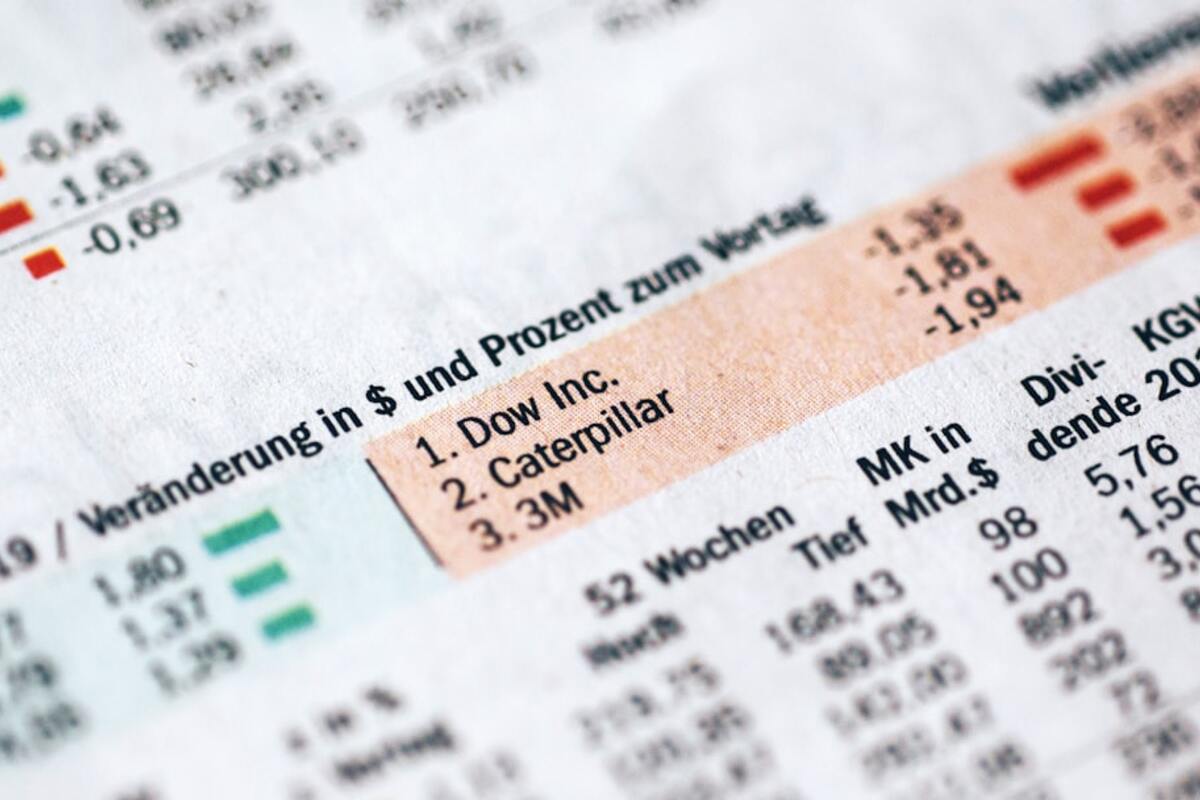
- Dividends are company cash payments to shareholders, but a high dividend yield can be a warning sign—not a bargain.
- Dividend reinvestment can quietly compound returns, yet taxes and payout cuts can change the math.
- Simple checks—payout ratio, free cash flow, and dividend history—can help you avoid “yield traps.”
Dividends, explained like you’re splitting a pizza shop
Imagine you and a few friends buy a small pizza shop. The shop makes money after paying for rent, ingredients, and staff. At the end of the month, you have a choice: keep the leftover cash in the business to renovate the kitchen, or hand some of it to the owners as a “share of the profits.”
That second option is basically a dividend. In the stock market, a dividend is a cash payment a public company sends to its shareholders—often quarterly, sometimes monthly, and occasionally once a year. Not every company pays dividends. Many fast-growing companies prefer to reinvest every dollar to expand.
For everyday investors, dividends are appealing because they feel tangible. Stock prices move up and down all day, but a dividend shows up as actual cash in your account. It can feel a bit like:
- Rent you collect for owning an asset (but without the tenant texts)
- Interest (though it’s not guaranteed the way a bond coupon is)
- Cash-back rewards for holding shares, except the “reward” depends on the company’s health
Here’s the important reality check: a dividend is not free money. When a company pays a dividend, it’s distributing cash it already has. In efficient markets, the share price often drops around the dividend payment by roughly the dividend amount because the company now holds less cash.
Still, dividends can matter in real life. If you’re building a portfolio and you like the idea of getting paid while you hold, dividends can be part of the plan—as long as you understand the fine print.

How a dividend actually lands in your account (and the dates that confuse everyone)
Dividends come with a set of key dates. You don’t need to memorize them, but you should know what they mean—especially if you’ve ever thought, “If I buy the stock the day before the dividend, do I get the payment?”
- Declaration date: The company announces it will pay a dividend and how much.
- Ex-dividend date: The cutoff. If you buy on or after this date, you generally won’t receive the upcoming dividend.
- Record date: The company checks its shareholder list to see who gets paid.
- Payment date: The cash hits your brokerage account.
Now for the everyday scenario. Say you own 50 shares of a company that pays a quarterly dividend of $0.50 per share. That quarter, you’d receive:
- 50 shares × $0.50 = $25 in dividends
It won’t change your life overnight, but over years—especially if you keep adding money—those payments can add up.
One metric you’ll see everywhere is dividend yield. Yield is the annual dividend divided by the current stock price. For example:
- Annual dividend: $2 per share
- Stock price: $40
- Dividend yield: $2 ÷ $40 = 5%
Yield is useful, but it’s also the source of many investing mistakes—because yield can spike when a stock price drops for a bad reason.
| What you notice | What might be happening | Why it matters |
|---|---|---|
| A stock suddenly shows a 9% dividend yield | The share price fell sharply (often due to trouble) | That “big yield” may vanish if the dividend gets cut |
| A steady 2–4% yield over years | Business is stable and dividend policy is consistent | Less exciting, but often more sustainable |
| Dividend is rising each year | Company is confident about cash generation | Rising payouts can support long-term compounding |
Think of yield like a store’s “70% off” sign. Sometimes it’s a great deal. Sometimes it’s a clearance rack because something’s wrong with the product. You want to know which situation you’re in.
The fine print: dividend cuts, “yield traps,” reinvesting, and taxes
Dividends come with trade-offs. They can make investing feel calmer and more “real,” but they aren’t guaranteed and they’re not always the best use of your money. Here are the main concepts to understand before you go dividend-hunting.
1) Dividend cuts happen—and they can hit twice
Companies can reduce (or eliminate) dividends. This often happens when profits drop, debt gets expensive, or management decides to conserve cash. If you own the stock for income, a cut is painful because:
- You receive less cash (or none)
- The stock price may fall because income-focused investors sell
Real-life analogy: It’s like taking a side gig for “extra monthly money,” then the client slashes your hours. Your budget feels the cut, and your confidence in that income source drops too.
2) The “yield trap”: when the yield is high because the price is falling
A yield trap is when a stock looks attractive due to a high dividend yield, but the high yield is mainly the result of a declining share price—and the dividend may be unsustainable.
Here are a few simple checks many investors use to gauge sustainability:
- Payout ratio: What percentage of earnings is paid out as dividends? A very high payout ratio can mean little room for error.
- Free cash flow coverage: Is the company generating enough cash (after expenses and investment) to comfortably pay the dividend?
- Debt pressure: Heavy debt can force a company to choose lenders over shareholders.
- Dividend history: Has the company kept paying through rough periods, or does it cut whenever business slows?
None of these checks are magic. But they’re like checking a used car’s maintenance records before you buy it. You’re not predicting the future—you’re reducing the odds of an unpleasant surprise.
3) Reinvesting dividends: the quiet compounding engine
Many brokerages let you automatically reinvest dividends through a Dividend Reinvestment Plan (DRIP). Instead of receiving cash, your dividend buys additional shares (sometimes fractional shares). Over time, this can create a “snowball” effect:
- More shares → more dividends
- More dividends → even more shares
Picture a small herb plant on your windowsill. If you keep trimming and replanting the cuttings, you end up with multiple plants. It’s still the same herb—just more of it, gradually.
Reinvesting can be especially powerful when markets are down, because dividends buy more shares at lower prices. It’s not exciting in the moment, but it’s mechanically doing what many investors struggle to do emotionally: buying more when prices are lower.
4) Taxes: dividends can create a tax bill even if you reinvest
This is the part that surprises many new investors. In a taxable brokerage account, dividends may be taxable in the year you receive them—even if you reinvest automatically. The tax rate depends on whether the dividends are considered qualified or non-qualified (rules vary by country and personal situation).
Everyday scenario: You reinvest $200 of dividends over a year and feel like you “never took any cash out.” Then tax season arrives and you learn you still owe taxes on those distributions. It’s not necessarily a reason to avoid dividends—it’s just something to plan for.
5) Dividends vs. growth: it’s not a moral choice
Dividend investors sometimes sound like they’ve found the one “responsible” approach, while growth investors can sound like dividends are pointless. In reality, both can work depending on your goals:
- If you want income you can spend (now or later), dividends may feel more useful.
- If you want to maximize long-term growth and you don’t need income, non-dividend or low-dividend companies might reinvest cash more aggressively.
It can also be both. Plenty of investors hold a mix: some dividend-paying companies for steadiness and some growth-oriented companies for upside.
Because they’re concrete. A dividend can feel like progress even when prices bounce around. For long-term investors, reinvested dividends can also contribute meaningfully to total returns over time.
Because they’re concrete. A dividend can feel like progress even when prices bounce around. For long-term investors, reinvested dividends can also contribute meaningfully to total returns over time.
No. Yield can rise because the stock price fell due to real business problems. A sustainable dividend supported by cash flow is typically more important than chasing the highest yield number.
No. Yield can rise because the stock price fell due to real business problems. A sustainable dividend supported by cash flow is typically more important than chasing the highest yield number.
If you need the money for bills, cash can make sense. If you’re in a building phase and don’t need the income today, reinvesting is a simple way to compound without extra effort.
If you need the money for bills, cash can make sense. If you’re in a building phase and don’t need the income today, reinvesting is a simple way to compound without extra effort.
One last practical way to think about dividend stocks: they can be a bit like owning a mature, well-run business on a busy street. It might not double overnight like a trendy startup, but it can generate steady cash. The key is making sure that cash is coming from real operating strength—not from financial stress dressed up as a “high yield.”
If you’re browsing dividend stocks, try not to start with the yield number. Start with the story: what the company sells, why customers keep paying, and whether the business reliably produces cash through good years and bad. The dividend is the bonus—not the entire plot.