The Hidden Lint Trap: How Dryer Vent Cleaning Cuts Fire Risk and Speeds Up Laundry
If your dryer takes forever, the problem may be in the vent—not the machine. Learn the warning signs, easy checks, and safe cleaning steps.
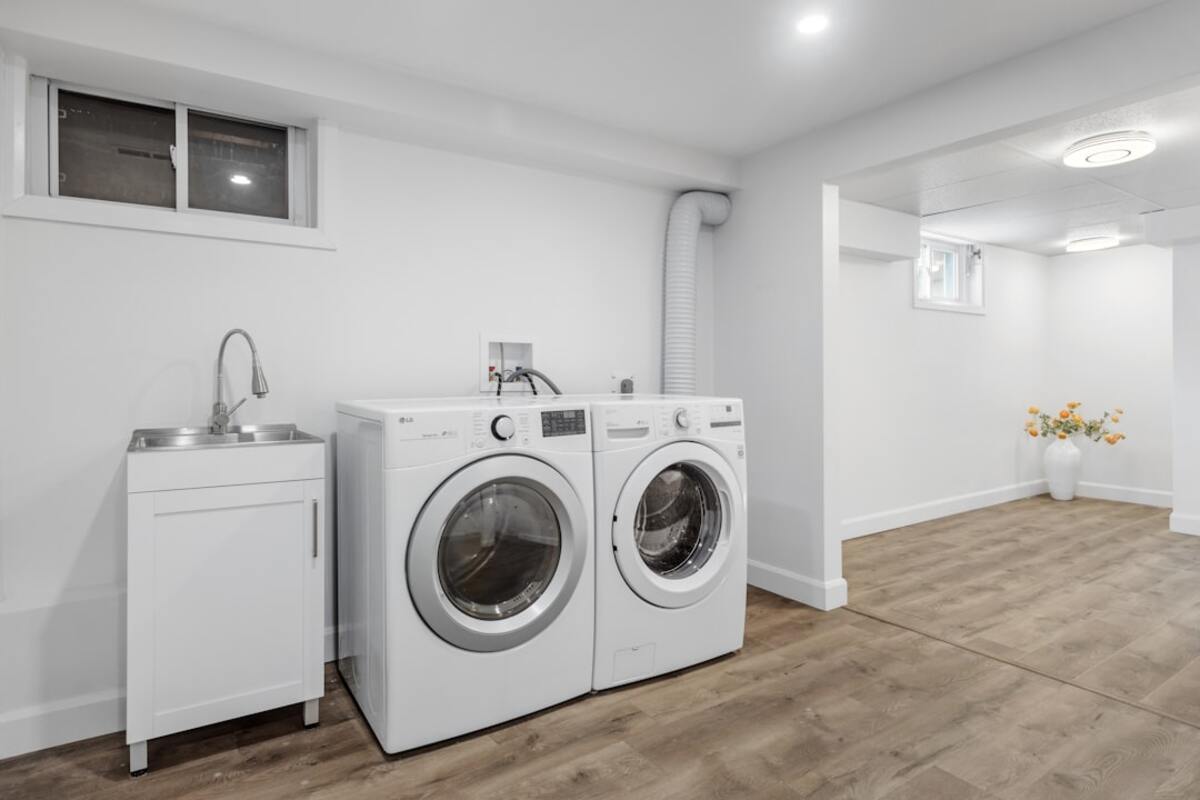
- A clogged dryer vent wastes energy, slows drying, and can become a serious fire hazard.
- Simple clues—hot dryer exterior, damp loads, weak outside airflow—often show a vent problem early.
- Most households can do basic vent care; long runs, roofs, and heavy buildup may need a pro.
Why dryer vents clog (and why it matters more than you think)
Most people know to clean the lint screen. It’s right there, it’s visible, and the dryer usually nags you with longer dry times when you ignore it. What’s less obvious is that the lint screen only catches part of the lint. The rest keeps traveling—through the duct behind the dryer, into the vent line in the wall or floor, and eventually out of the house.
Lint is basically tiny fabric fibers. It’s light, fluffy, and extremely good at sticking to rough surfaces. If your vent line has any of the following, lint builds faster:
- Long vent runs (the vent travels far to reach an outside wall)
- Multiple turns/elbows (every bend slows airflow and creates a “catch point”)
- Flexible foil or plastic duct (the ribbed interior is like Velcro for lint)
- A weak vent hood flap (it doesn’t open fully, so moist air and lint struggle to escape)
Here’s the everyday-life version: imagine trying to drink a thick milkshake through a straw that’s pinched in three places. You can still drink, but you have to work harder and it takes longer. Your dryer is doing the same thing—trying to push hot, moist air through a “straw” that’s slowly narrowing.
That matters for three big reasons:
- Fire risk: Lint is combustible. When airflow is restricted, heat can build up where lint collects.
- Time and frustration: Loads that used to take 45 minutes start taking 90.
- Higher bills and wear: The dryer runs longer, energy use rises, and components work harder.

Quick warning signs you can spot without tools
You don’t need to be a technician to catch vent issues early. In fact, the most useful clues show up in your normal routine—right when you’re tossing towels in after a shower or rushing to dry a work shirt before morning.
Inside-the-house clues (things you’ll notice during laundry):
- Drying takes longer than it used to (especially towels and jeans).
- Clothes feel hot but still damp—heat is there, but moisture isn’t leaving efficiently.
- The dryer or laundry room feels unusually hot while running.
- A slightly “steamy” or humid laundry room after a cycle.
- A burning or dusty smell (stop using the dryer until you check the vent).
- Lint collecting around the dryer or behind it.
Outside-the-house clue (the simplest test): locate the exterior vent hood and feel the airflow while the dryer runs. You’re looking for a steady, strong stream of warm air. If it’s weak, intermittent, or the flap barely opens, your vent is likely restricted.
If you want a quick “real-life scenario” to make it click: think of a busy household doing back-to-back loads. A partially clogged vent might not feel dramatic on one small load. But when the dryer runs for hours, heat and lint have more time to accumulate in the duct. That’s why vent problems often show up after a weekend of laundry marathons.
| What you notice | What it often means | Simple first check |
|---|---|---|
| Loads take 2+ cycles to dry | Restricted airflow (lint buildup, crushed duct, too many bends) | Check outside vent flap and airflow while running |
| Laundry room feels hot/humid | Moist air not exhausting well | Inspect duct connection behind dryer for gaps or kinks |
| Burning/dusty smell | Overheating + lint accumulation | Stop using dryer; clean lint screen area and inspect vent path |
| Little to no lint on the lint screen | Lint may be bypassing the screen or clogging earlier in the path | Clean lint screen with soap/water; check for screen damage |
| Exterior vent flap doesn’t open fully | Clog, stuck flap, bird nest, or blocked hood | Inspect hood from outside; remove visible debris (power off dryer first) |
How to clean a dryer vent safely (and when to call a pro)
Dryer vent care has a spectrum. On one end: simple, routine tasks that most people can do in under an hour. On the other: long vent runs through walls/ceilings, roof vents, and tricky setups that deserve professional tools and experience.
Before you start: if you smell burning, see smoke, or the dryer shuts off mid-cycle repeatedly, stop using it until the vent path is inspected. Safety first.
Step 1: Do the “easy wins” maintenance
- Clean the lint screen every load. It sounds basic, but it’s the first line of defense.
- Wash the lint screen monthly. Dryer sheets can leave a film that blocks airflow. Rinse with warm water + a drop of dish soap, scrub gently with a soft brush, and let it dry.
- Vacuum the lint screen housing. Use a crevice tool to pull lint from the slot where the screen sits (with the dryer off).
Step 2: Check the duct behind the dryer
Unplug the dryer (and shut off gas if you have a gas dryer). Pull the dryer away from the wall slowly—many vents get crushed simply because the dryer is shoved back too tightly.
- Look for kinks, crushing, or disconnections. Even a small pinch can drastically reduce airflow.
- Prefer rigid or semi-rigid metal ducting. If you see thin foil flex duct, consider upgrading. Its ridges trap lint, and it tears easily.
Disconnect the duct and vacuum out visible lint. If the duct is short and accessible, you can often clean it thoroughly with a vacuum and a vent brush.
Step 3: Clean the vent line toward the outside
For many homes, a dryer vent cleaning kit (a brush that attaches to drill/rods) is a practical middle ground. You feed the brush into the vent line in sections, loosening lint so you can vacuum it out. If you do this:
- Go slowly. Aggressive spinning can dislodge old joints on poorly secured ducts.
- Keep the brush centered. You want lint out, not torn ductwork.
- Vacuum as you go. Lint tends to fall back toward the dryer side.
From outside, inspect the vent hood. Remove lint mats, leaves, or visible debris. If you see signs of nesting (twigs, compacted material), stop and consider a pro—especially if the vent exits on a roof or high wall.
Step 4: Reconnect, test, and “listen” to the system
Reconnect the duct with proper clamps or foil HVAC tape (not standard duct tape, which dries out). Push the dryer back gently, making sure the duct stays smooth and uncrushed.
Run the dryer on a short cycle and do a final airflow check at the exterior vent. You should feel a stronger, steadier stream of warm air, and the flap should open freely.
When it’s smarter to call a professional
Some vent setups are simply difficult to clean well without specialized equipment (and a good sense of what can break). Consider hiring help if:
- The vent run is long (common in condos, interior laundry rooms, or finished basements).
- The vent exits through the roof or a high exterior wall.
- You suspect the vent line is disconnected inside a wall (linty smell in walls, sudden major performance drop).
- The dryer still dries poorly after basic cleaning (could be deeper blockage or a dryer issue).
- You have a gas dryer and aren’t comfortable moving/handling the hookup safely.
Many households do well with a thorough vent cleaning about once a year. If you dry lots of towels, have pets, run daily loads, or have a long vent run with multiple bends, you may need it more often.
Many households do well with a thorough vent cleaning about once a year. If you dry lots of towels, have pets, run daily loads, or have a long vent run with multiple bends, you may need it more often.
No—under normal conditions it should open easily with steady airflow. A flap that barely moves often points to lint buildup, a crushed duct, or a vent hood clogged with debris (or stuck shut due to paint, corrosion, or damage).
No—under normal conditions it should open easily with steady airflow. A flap that barely moves often points to lint buildup, a crushed duct, or a vent hood clogged with debris (or stuck shut due to paint, corrosion, or damage).
Indirectly, yes. Fabric softener sheets can leave residue on the lint screen, reducing airflow. Also, overly soapy laundry can hold onto more lint and shed differently. The bigger issue is still the vent design and how consistently lint is removed from the system.
Indirectly, yes. Fabric softener sheets can leave residue on the lint screen, reducing airflow. Also, overly soapy laundry can hold onto more lint and shed differently. The bigger issue is still the vent design and how consistently lint is removed from the system.
A small habit that helps immediately: after you finish cleaning and reconnecting everything, take 10 seconds to check that the dryer isn’t pushed back so far that the duct bends sharply. Many vent clogs start as “vent pinches,” where lint catches at the tight bend and slowly builds into a plug.
A simple benchmark for your own home: note how long it takes to dry a typical load of towels when the vent is clean. If that number creeps up over time, you’ve got an early warning system that doesn’t require any gadgets—just paying attention.