Beat the Heat with Solar‑Charged Thread Smart Shades: Passive Cooling That Automates Itself
Turn sun-soaked windows into energy savers. Learn how solar-charged, Thread-enabled smart shades cut cooling costs, install cleanly without wiring, and adapt to temperature, glare, and routines.
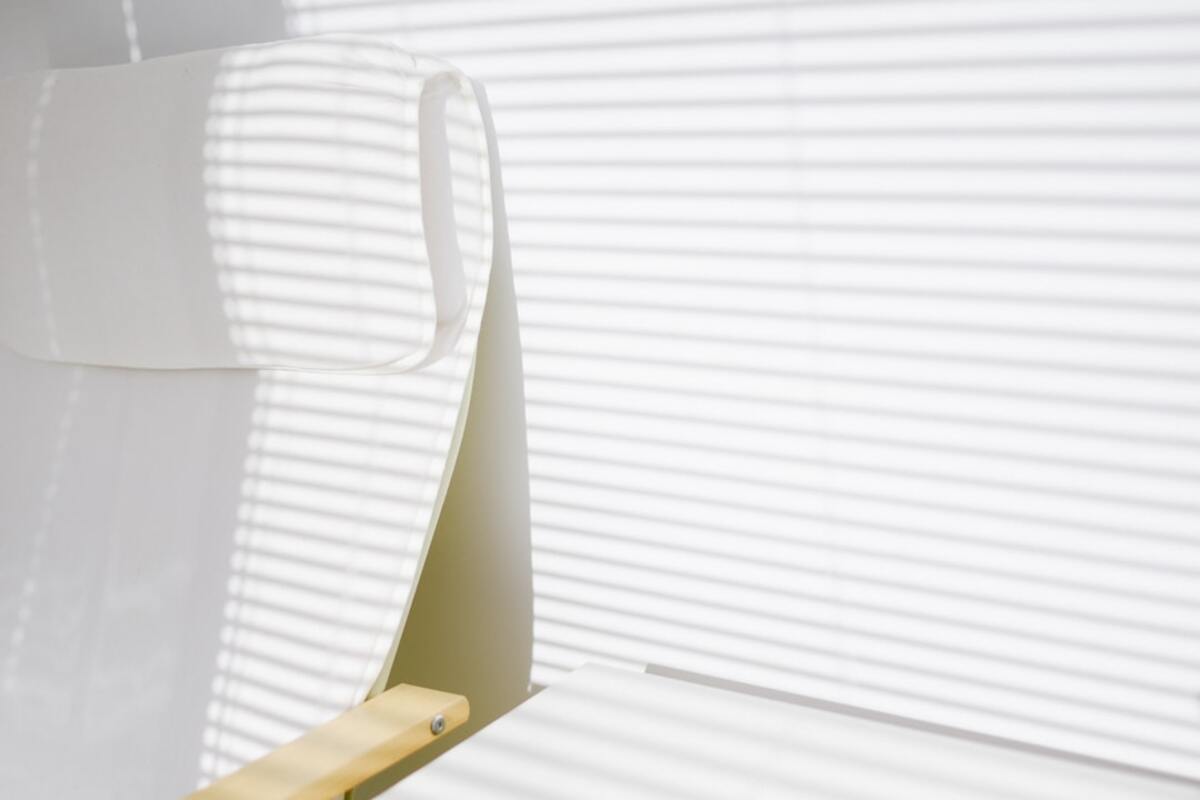
- Solar-charged motors eliminate wiring, while Thread keeps control fast and reliable.
- Automations based on sun angle, temperature, and occupancy deliver real energy savings.
- Plan sizing: panel placement, battery capacity, and fabric choice matter more than brand.
Smart shades aren’t just a luxury anymore. With solar-charged motors and Thread connectivity, window coverings can quietly shield your rooms from midday heat, reduce glare, and maintain privacy—all without a single wire run. Whether you rent or own, the modern combination of a low-profile solar panel, battery motor, and interoperable Thread radio (ideally with Matter support) turns passive cooling into a set-and-forget automation that pays you back each sunny season.
This guide focuses on a very specific setup: solar-powered, Thread-enabled roller shades that automatically adjust to sun position, exterior temperature, and your daily rhythm. We’ll cover planning, parts, installation tips, and practical automations that actually reduce AC runtime. If you’ve been on the fence because of wiring, hubs, or reliability, this approach addresses those pain points with a clean, long-lived solution.
Plan the System: Light, Power, and Network
Every successful smart shade build starts with three questions: where does the sun hit, how will you power the motor, and how will your home network reach the rollers? Mapping these upfront prevents the most common regrets—underpowered solar, slow responsiveness, and fabric that doesn’t match your goals.
Window orientation dictates everything. South- and west-facing panes collect heat in the afternoon, while east-facing windows blast morning glare. North-facing windows often need less automation but may still benefit from privacy control. Spend a week noting when each room heats up, when glare becomes annoying, and who uses the space at those times. This will inform your scheduling and fabric choice.
Next, power. A compact solar trickle panel affixed near the headrail can keep a roller motor’s battery topped off year-round. Motors sip energy—most use power only during movement—but they still need a predictable recharge path. Thread keeps your control link robust without blasting Wi‑Fi, and it enables fast, low-power commands across a self-healing mesh. If your shades speak Matter over Thread, they’ll work securely with multiple ecosystems, giving you more flexibility down the road.
Finally, placement. The neatest installs hide everything behind the fascia. That said, solar panels need light. If the window recess is deep, consider a slim panel just above the top edge of the glass, angled toward incoming light. For renters, removable adhesive mounts keep walls intact. For owners, a low-profile screw mount can be virtually invisible with the right fascia.
Fabric and openness factor (the weave percentage) matter more than most realize. For glare reduction without losing daylight, a 3–5% openness solar fabric works well. For bedrooms or media rooms, blackout is still king. Lighter colors reflect infrared better; darker colors improve view-through and glare control but can soak heat. Your goal determines the fabric: cooling efficiency versus view preservation.
Battery capacity is the last big planning metric. Most motors use between 0.05–0.15 Wh per full up/down movement, depending on size and weight. A 2200–3000 mAh Li-ion pack at 7.4 V offers substantial headroom. Paired with even a small 1–2 W solar panel, your shades can remain charged if they move 2–6 times daily, assuming typical indoor light exposure.
| Component | Typical Spec | What to Look For |
|---|---|---|
| Motor | 7.4 V Li-ion, 0.5–1.5 Nm torque | Quiet operation, Thread radio, adjustable speed |
| Battery | 2200–3000 mAh | Replaceable pack, clear state-of-charge reporting |
| Solar Panel | 1–2.5 W, 5–7 V output | Good low-light efficiency, discrete profile |
| Fabric | Blackout or 3–5% openness | Thermal reflectivity vs. view-through, flame rating |
| Connectivity | Thread, Matter optional | Interoperability, OTA updates, strong signal |
If your home already uses a Thread Border Router—often built into new smart speakers or Wi‑Fi hubs—you’re set. If not, adding one is a one-time step that benefits other Thread devices like motion sensors and contact switches. Compared to Wi‑Fi motors, Thread keeps energy usage low and responsiveness high, even in densely populated wireless environments.

Install Cleanly: Mount, Align, and Capture the Sun
Installing solar-charged smart shades is less about tools and more about alignment and cable routing. A careful hour now prevents years of squeaks, jams, or trickle-charge failures.
- Tools: torpedo level, pencil, small drill/driver, tape measure, painter’s tape, and a soft cloth.
- Safety: protect the glass edge with cardboard while drilling near frames; avoid nicking existing low-voltage lines in the wall.
Start by dry-fitting the brackets. Use painter’s tape to mark the intended headrail height and check that the roller clears handles or trim at full rotation. Measure twice—window frames are rarely square. A slight tilt can cause the fabric to telescope to one side. To counter this, prioritize perfect bracket alignment over symmetrical screw spacing.
Mount the motor side where you have the cleanest path for the small solar lead to reach the charging port. Keep the cable tucked behind the fascia or within the recess using clear clips. If your kit includes a compact energy buffer module, mount it near the headrail so sunlight exposure stays consistent.
Before snapping the roller in, set the motor limits. These are the top and bottom stop points. Most Thread-enabled motors provide a calibration routine via their app or your preferred controller. Cycle the shade up and down a few times while the limits are loose to observe any drift, then fine-tune the endpoints to avoid fabric overwrap or a visible light gap.
Now for the solar panel. Wipe the mounting surface with a dry cloth to ensure adhesion, then position the panel where it receives direct light for several hours a day. A slight tilt toward the brightest portion of the sky increases yield. If the panel is inside the glazing cavity, low-iron glass helps, but standard double-pane glass still works—just expect a 10–20% reduction in effective irradiance.
Route the cable with gentle bends, avoiding tight kinks. Connect it to the motor’s charge port, then secure any slack so it doesn’t snag during shade operation. If your window recess is very shallow, tuck the panel along the jamb and rotate it a few degrees toward the glass.
Finally, pair to Thread. Use your ecosystem’s pairing flow to onboard the motor and expose it as a controllable cover. If Matter is available, commission it through your platform of choice; once added, map it to rooms and scenes. Give the device a clear name like “Living West Shade” to make voice and automation rules intuitive.
After the first day, verify that the battery percentage is stable or rising. During a cloudy week, you might see slight decline; this is normal. If it drops below your comfort level, reduce the number of daily moves or slightly increase the panel exposure. In sunnier months, the battery should consistently top off, even with frequent adjustments.
Automate for Savings: Sun, Temperature, and Lived-In Comfort
Great automations feel invisible. The best ones take your intent—cooler rooms, less glare, privacy at night—and translate it into timely shade movement with minimal fuss. Thread’s responsiveness makes quick changes feel natural, while solar charging keeps the system independent of outlets.
Start with sun-aware schedules. Calculate the solar peak for each window orientation and set the shade to lower shortly before it. For example, an east-facing kitchen might lower to 40% at 7:45 a.m. on weekdays to cut harsh glare but still admit daylight, then raise to 80% by 10:30 a.m. as the sun moves on. In return, your west-facing living room might drop to 30% at 3:00 p.m. in summer to preempt the afternoon heat surge.
Couple shades with real temperature signals. An indoor sensor that tracks the wall temperature near each window is more reliable than generic outdoor data. When that sensor reads, say, 77°F and rising, lower the shade in 10–20% increments until the trend reverses. At night, reverse the logic: if the outdoor temperature drops below indoor and you want to purge heat, allow the shade to raise a bit to encourage radiative cooling while preserving privacy.
Glare control doesn’t always mean blackout. For shared spaces, base automations on lux (light levels). Lower when the room exceeds a target lux threshold, but stop at a partially down position to maintain usable daylight. If your ecosystem supports it, add a short ramp effect rather than an instant jump—small touches make the automation feel more human.
Occupancy helps avoid unnecessary movements, preserving battery and panel headroom on darker weeks. If a space is unoccupied for 30 minutes, let the shade settle into an energy-saving position. When presence returns, raise to a friendly level that suits typical activity. Thread sensors shine here because they wake fast and propagate state changes across the mesh with low delay.
- Energy-first routine: lower on hot afternoons, partially raise after sunset for view and cross-ventilation.
- Privacy routine: at dusk, gently lower to 90% over 20 seconds, then fully close at bedtime if lights go on.
- Work-from-home routine: cut screen glare to a set lux level during meetings, then revert when the call ends.
One underrated tactic: coordinate shades between rooms. If the hallway is cooler, you might let an adjacent room borrow some of its cool air. This works best in open plans where airflow is shared. Use a simple rule—if Room A is 2°F warmer than Room B for 15 minutes, lower Room A’s shade and slightly raise Room B’s to equalize comfort.
Battery life is typically measured in moves per charge without solar. With solar, think in terms of equilibrium: does the panel replenish daily consumption? A small motor that moves four times a day might consume 0.5–1.0 Wh. A 1.5 W panel in a bright window can easily harvest 3–5 Wh on a sunny day—plenty of margin. If your panel is shaded by an awning or deep recess, mount it closer to the glass and nudge your automations to reduce movement on overcast days.
For power users, conditional logic based on weather forecasts can prevent unnecessary movement. If tomorrow will be cooler and cloudy, loosen today’s aggressive closing schedule to admit more natural light. Keep your rules simple and explainable; it’s better to have three dependable automations than a dozen conflicting ones.
Privacy and security matter as well. Matter over Thread supports strong encryption and a local-first control path, so your shades react even if the internet blips. Avoid broadcasting presence indirectly; for instance, don’t tie shades to an “away” mode that visibly advertises you’re not home. Instead, use randomized living patterns—Thread’s responsiveness makes it easy to vary timing by a few minutes to mimic human behavior.
Maintenance is minimal: dust the panel and fascia quarterly with a microfiber cloth, check that the cable hasn’t sagged into the roller path, and recalibrate limits if you notice minor drift. Thread devices are typically good citizens—firmware updates arrive quickly and apply over the mesh without you chasing them.
If you want to quantify savings, track HVAC runtime before and after. Many homes see a drop in afternoon AC cycles once shades automatically curb solar gain. While exact numbers depend on climate and glass type, it’s common to see 5–15% less cooling energy in sun-exposed rooms. Over a season, that can rival or exceed the cost of the motors—especially when you avoid wiring labor entirely.
Yes, but expect a 10–20% reduction. Maximize exposure by mounting near the brightest part of the window and keeping the panel clean. Even with losses, daily harvest is usually ample for 2–6 movements per day.
Yes, but expect a 10–20% reduction. Maximize exposure by mounting near the brightest part of the window and keeping the panel clean. Even with losses, daily harvest is usually ample for 2–6 movements per day.
Thread scales well. A single border router can comfortably support dozens of devices—motors, sensors, and switches—thanks to its mesh design. Distribute devices across rooms to strengthen the network.
Thread scales well. A single border router can comfortably support dozens of devices—motors, sensors, and switches—thanks to its mesh design. Distribute devices across rooms to strengthen the network.
Use a slightly larger panel, reduce daily movements, or plan a monthly USB top-up. Even low-light trickle charging often sustains typical usage when automations avoid frequent small adjustments.
Use a slightly larger panel, reduce daily movements, or plan a monthly USB top-up. Even low-light trickle charging often sustains typical usage when automations avoid frequent small adjustments.
Not necessarily. Blackout blocks light but sacrifices daylight and view. Light-colored solar fabrics (3–5% openness) can reflect heat while maintaining natural light, often striking a better daily balance.
Not necessarily. Blackout blocks light but sacrifices daylight and view. Light-colored solar fabrics (3–5% openness) can reflect heat while maintaining natural light, often striking a better daily balance.
They can, but Thread offers lower power use, faster wake times, and a resilient mesh. If you’re starting from scratch, Thread (ideally with Matter) future‑proofs your shades and reduces network clutter.
They can, but Thread offers lower power use, faster wake times, and a resilient mesh. If you’re starting from scratch, Thread (ideally with Matter) future‑proofs your shades and reduces network clutter.
As you live with solar-charged Thread shades, you’ll likely refine your routines. Begin conservative, observe how the room feels over a week, then tweak setpoints. The goal isn’t constant motion—it’s smart, timed adjustments that do more with less. With a discreet solar panel keeping the battery topped up and a mesh that never seems to drop commands, you’ll forget there’s technology involved at all—until the next power bill arrives a little lower.